

Rain Gardens: An Eco Friendly Solution to Minnesota Stormwater
Turn excess rainwater into a sustainable landscape feature that benefits your yard and the environment.
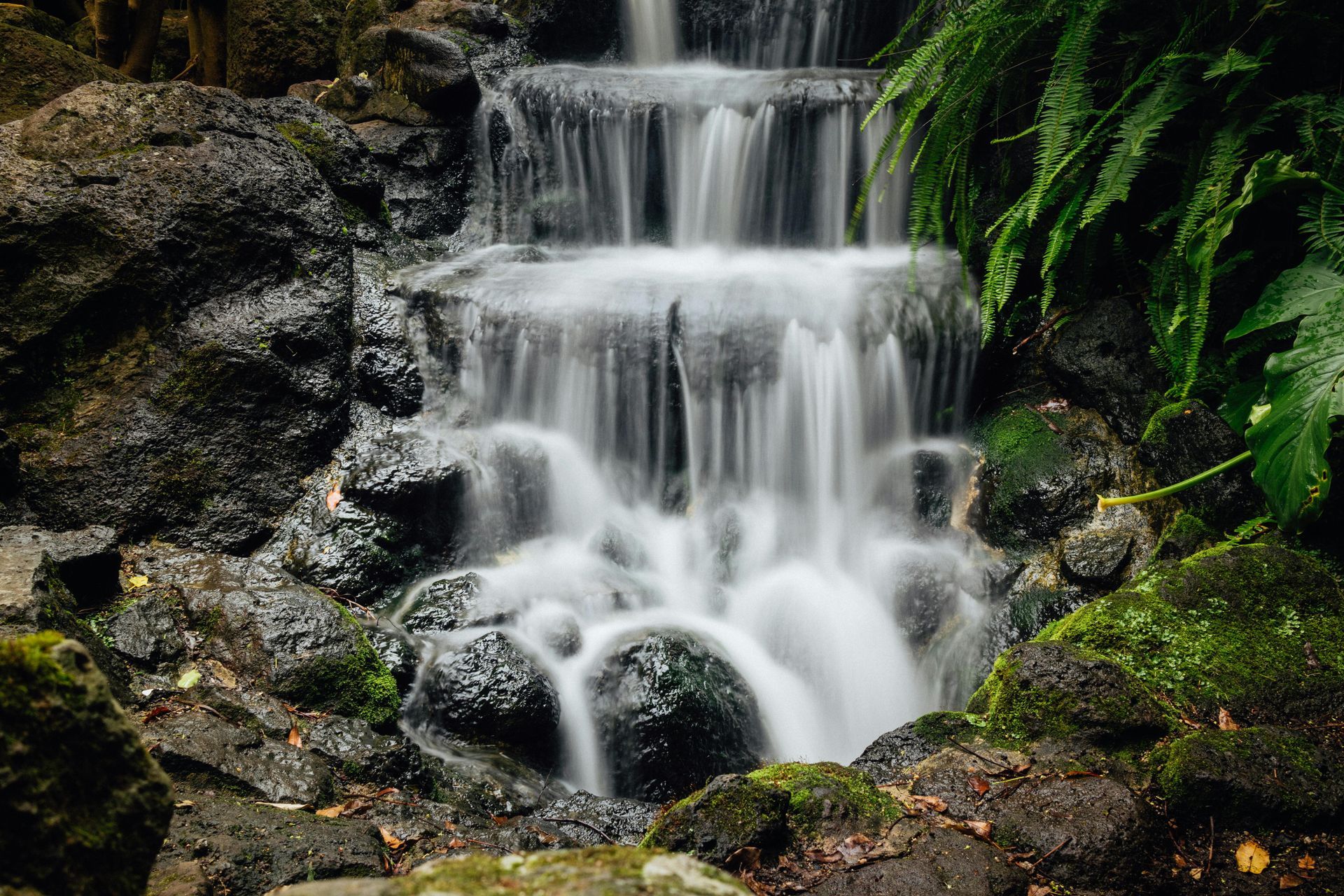
Heavy rainfall and rapid snowmelt are common challenges across Minnesota, often leading to stormwater runoff that can overwhelm drainage systems and carry pollutants into local lakes and rivers. One increasingly popular solution for homeowners is the Rain garden, a specially designed landscape feature that captures and absorbs excess water where it falls. By using native plants and thoughtful design, these gardens help slow runoff, filter contaminants, and support local ecosystems. Beyond their environmental benefits, they also provide an attractive and eco-friendly way to manage water while enhancing the beauty and sustainability of residential landscapes.
Rain gardens work by directing stormwater from roofs, driveways, and lawns into a shallow, planted basin where the water can slowly soak into the ground. Instead of rushing into storm drains, the water is temporarily held and naturally filtered through layers of soil and plant roots. This process helps remove pollutants like fertilizers, oils, and sediment before they reach nearby lakes and rivers. In a state known for its thousands of lakes, reducing runoff pollution is an important step in protecting water quality and maintaining healthy ecosystems.
Another benefit of rain gardens is their ability to support native wildlife while requiring relatively low maintenance once established. Many designs feature native grasses, perennials, and flowering plants that are well adapted to Minnesota’s climate and varying moisture conditions. These plants not only help absorb water efficiently but also attract pollinators such as bees and butterflies. With thoughtful placement and plant selection, homeowners can transform an area prone to pooling water into a functional landscape feature that contributes to both environmental health and the overall beauty of the yard.
Cultivating Dreams